Demo Session Starts In:
00
Days00
HoursElevate your expertise
Best Seller
Oracle Fusion HCM Online Training
Expert TrainingRedwood ExperienceAi with HCMAdvance your career with our expert-led Oracle Fusion HCM Online Training. Learn essential Oracle HCM modules, gain real-time hands-on experience, and build the practical skills required to grow in today’s dynamic HR and Human Capital Management landscape.

Aparna Jakkula
HR Practitioner at Accenture
Salary Hike 140%"TechLeadsIT provides excellent Oracle Fusion HCM training, with real-time scenarios and expert guidance that significantly enhanced my learning experience."
Pre Tech Leads IT
Centotech
Post Tech Leads IT


Nitisha Babaria
Human Resources Executive
Salary Hike 100%"I have Attended Oracle Fusion HCM training in Tech Lead IT. Our trainer Raj has explained the topics by giving real time scenarios and he has a very good knowledge."
Pre Tech Leads IT
Wipro
Post Tech Leads IT

Jaydip Tripathi
Senior Manager at GUVNL
Salary Hike 120%"Excellent content presentation. Covering all the points and Hands on practice is an added advantage. Must enroll for better clarity and understanding basic concepts.
Pre Tech Leads IT
GSECL
Post Tech Leads IT


Nidhi Behl
Senior Associate HR at Antarang
Salary Hike 150%"Oracle HCM Fusion Sumesh's manner of teaching is so wonderful and refreshing!! He’s patient and supportive, but really knows how to motivate his students.
Pre Tech Leads IT
Vani Coach
Post Tech Leads IT

Oracle Fusion HCM Training — Key Features at Tech Leads IT

Comprehensive Module Coverage
A complete Oracle Fusion HCM learning path covering Core HR, Payroll, Absence, OTL, and key functional modules — from fundamentals to advanced concepts.

Expert Level Implementation
Work on real-time scenarios, configurations, integrations, and implementation workflows — guided with practical best-practice tips.

Oracle Certified Trainers
Learn from Oracle-certified HCM consultants with strong real-time implementation and project delivery experience.

Hands-On Projects
Hands-on Oracle Fusion HCM projects with real business use cases — ideal for freshers and professionals to gain practical implementation experience.

Placement & Job Support
Placement-oriented training with interview guidance, resume support, and job-readiness mentoring for eligible learners.

Mobile App Learning
Access course recordings, materials, and practice resources on mobile — learn anytime, anywhere.
Tools & Modules You Will Master

Core HR

Absence Management

Compensation

Payroll

Talent Management

Goal Management

Profile Management

HCM Communicate

Succession Planning

Oracle ME
Why
Choose Tech Leads IT ?
“Tech Leads IT — Industry-Focused Oracle Training & Career Growth.”

12+ Years of Excellence
12+ years of experience delivering Oracle Fusion ERP and HCM training.

5000+ Career Transitions
Over 5000 learners trained — grow from learning to real-time expertise.

Industry-Validated Curriculum Design
A curriculum aligned with real-time projects, industry needs, and standards.

Real-Time Senior Faculty
Senior real-time faculty with strong implementation experience.

Mobile App & Learning Portal
Access learning materials, live classes, and hands-on labs anytime.

200% Placement Support
Placement-focused training with interview guidance and career support.
Is This Oracle Fusion HCM Course Right for You?
Gain expertise in Human Capital Management with our industry-leading Oracle Fusion HCM Online Training designed for learners at every level.

Students & Fresh Graduates

Final-year students or graduates from B.Tech, MBA, or related fields.
Individuals planning to start a career in Human Capital Management (HCM).
Anyone interested in HR operations, payroll, talent management, or workforce planning using Oracle Fusion HCM.
Job seekers wanting to strengthen their resumes with in-demand HCM skills.


Working Professionals
IT & ERP professionals transitioning from Oracle EBS or other ERP systems to Oracle Fusion HCM.
HR Managers, HR Analysts, and ERP Consultants seeking deeper expertise in HCM modules.
Business owners or HR leaders aiming to streamline their workforce with Oracle HCM.
Professionals wanting to optimize HR operations using Oracle's advanced HCM cloud tools.
Is This Course the Right Choice for You? Let’s Figure It Out Together!

Hands-on Projects
Gain practical exposure through industry-aligned Oracle Fusion HCM projects, covering foundational setups for freshers and real-world scenarios for experienced professionals.



Project For Freshers
This project equips freshers with end-to-end Oracle Fusion HCM module configurations, business transactions, and real-time use cases. It also covers market-standard Oracle HCM interview topics, enabling learners to apply theoretical concepts in practical HR scenarios and confidently tackle industry challenges.
By the end of this project, freshers will have built a strong foundation in Oracle Fusion HCM and ERP, gained hands-on exposure to real-world business and HR processes, and improved their problem-solving abilities—making them fully prepared for job interviews and real-time Oracle Fusion HCM implementations.



Project for Professionals
This project enables working professionals to master real-time Oracle Fusion HCM scenarios, including module configurations, business workflows, and end-to-end HR processes. Participants gain hands-on experience in resolving live business challenges and implementing best practices followed in enterprise HCM environments.
They will dive into practical areas such as troubleshooting, HCM data management, payroll integrations, security, workflows, approvals, and reporting. To strengthen learning, real-time templates and implementation documents used in actual Oracle Fusion HCM projects will be provided.
Schedule
Explore Oracle Fusion HCM in Our Live Demo Session
Learn core functionalities, HR workflows, and real-time scenarios to build job-ready skills.
 Online
Oracle Fusion HCM Online Training
Live demo session
FREE
23 September 2026
8:30 pm
Join the Oracle Fusion HCM Live Demo with Raj Sumesh
Have Any Questions?
We're Here to Help You

Invest in Yourself – It’s the Best Decision You’ll Ever Make!
Upskill with Oracle Fusion HCM Course and transform your career prospects. A small step today leads to big rewards tomorrow.

Curriculum Details for Oracle Fusion HCM Course
A well-structured curriculum provides a roadmap for learners, outlining what they will study throughout the course. The curriculum should be divided into modules or weeks for better clarity.
Functional Setup Manager (9 Chapters)
Getting started with fusion applications
Preview
Initial Activities for Oracle Fusion Implementation
Preparing Fusion Applications
User Management
Role Management
Create Implememt Users Using the FA Super - User
Synchronizing Users & Roles in LDAP with - Fusion HCM
Introduction to Functional Setup Manager
Creation of Implementation Project
- Offerings
- Options
- Features
- Fusion HCM Business Process Overview
Getting started with fusion applications
Preview
Initial Activities for Oracle Fusion Implementation
Preparing Fusion Applications
User Management
Role Management
Create Implememt Users Using the FA Super - User
Synchronizing Users & Roles in LDAP with - Fusion HCM
Introduction to Functional Setup Manager
Creation of Implementation Project
Implementation Tasks
Manage Geographies
Manage Geographies
Define Currencies
Define Locations
Manage Enterprise Creation
Enterprise Structure
Enterprise Components
Enterprise Divisions
Legal entities
Business Units
Employment Model
Reference Data Sets
Manage Work Structures
Departments
Jobs
Positions
Grades & Grade Rates
HCM Security Profiles
Role Mapping
Profile options
Work Structure
Payroll Introduction
HCM Security
Common Application Configurations
Define Payroll Business Definitions
Define Pay Frequencies
Define Payroll Elements
Create Element Entries
Define Fast Formulas
Define Balance Definitions
Calculate Payroll
Define Events
Define Payment Methods
Define Payroll Costing
Payroll flexes fields
Define Object Groups
Define Payroll Patterns
Define Security for Payroll
Run Payroll
Payslip overview
Security for Payroll
Lesson and Course Objectives
Define Talent Profile Settings
Creating Implementation Projects and Assigning Implementation Tasks
Job Roles with Functional Setups Duty
Talent Management Duties and Privileges by Application Functional Setup Manager Overview
Roles
Talent Management Job
Security Reference Implementation
Role-Based Access Control Role Types
Security and Functional Setup Manager Overview
Main Business Activities
Introducing Oracle Fusion Talent Management - Introducing Talent Management
Profile Management
Introduction to compensation management
Individual Compensation Plans
Grade Ladder with Progression Configuration
Salary Basis & Salary Ranges
Linking compensation to performance and results
Administering pay increases and bonuses
Implementing a compensation program
Determining pay structure
Setting pay levels and ranges
Overview of Base Pay Configuration
Key considerations in designing a compensation program
Types of compensation
Definition and importance of compensation
Workforce Compensation Plan
Integrations and Setup
Define Talent Profile Content
Setting Up Talent Profile Content
Content Library, Content Types and Content Items
Define Rating Models and Talent Profiles
Rating Models
Profile Types and Components
Instance Qualifiers
Writing Assistant
Manage Talent Profiles
Access to Talent Profiles
Using Team Talent and Talent Profile Cards
Using Compare Items and Best Fit
Manage Common Talent Objects
Creating Review Periods
Managing Performance Document Types
Managing the Goal Library
Managing the Goal Library
Auditing Talent Management Business Objects
Goal Management Setup
Lookups, Flex fields and Profile Options
Managing Goal Plans
Creating Goal Plans
Managing Goal Plan Sets
Using Goal Management
Administering and Mass Assigning Goals
Managing Worker and Organization Goals - Approving Goals
Define Questionnaires
Questionnaires Concepts
Managing Questions
Question Library
Question & Response Types
Questionnaire Templates
Creating Questionnaire
Understanding and Defining Worker Performance
Performance Management Overview
Performance Profile Options and Descriptive Flex fields
Performance Roles and Matrix Management
Eligibility Profiles and Process Flow Definitions
Configuring Sections, Document Types and Templates
Performance Templates and Performance Template Sections
Using Performance Management
Performance Documents and Worker Evaluations
Administration and Monitoring Tasks for Worker Performance
Target Messaging
News Letter – Customization
Scheduling
Message Tracking
Collaboration
Audience – filtering and Creation
Absence Management Setup Components
Absence Management Supporting Setup Components
Defining Accrual Plan Attributes and Participation
Absence Plan Types
Accrual Plans Overview
Accrual Plan Attributes
Eligibility Profiles Overview
Defining Accrual Limits, Rates, and Balances
Defining Accruals
Repeating Time Periods
Accrual Plan Limits Fusion HCM
Setting Up Qualification Plans and No Entitlement Plans
Qualification Plans
Qualification Plan Attributes
Qualification Plan Term Types
Fast Formulas in Absence Management
Formula Usage for Absence Plans and Absence Types
Absence Types, Reasons, Categories, and Certifications
Absence Management Setup Framework
Absence Type Overview
Absence Pattern and Features
Plans and Reasons for Absence Types
Scheduling and Maintaining Absences
Managing Absence Records and Entitlements
Absence Recording Overview
Absence Approvals
Scheduling and Monitoring Absence Processes
Repeating Time Periods
Time Processing Profile
Worker Time Entry Profile
Time Card Calculation Rules
Time Card Calculation Rule Templates
Create Time card Components
Manage HCM Groups
Layout Sets
Time Card Layout Components
Loading of Timecards
OTBI Reports
BI Reports
FBL
Fast Formulas
HCM Data Loader
Spread sheet Data Loader
Unlock Your Learning Journey – Explore the Course Curriculum!
Watch Our Demo Video
Get a quick preview of our training quality and teaching style.

Testimonials
What Our Students Say About Our Training
Our students have consistently achieved remarkable milestones in their careers with the guidance and training provided by Tech Leads IT.
Your Future Boss is Looking for Oracle Fusion Experts!
Unlock new career opportunities—Oracle Fusion HCM professionals are in high demand. Start your journey today!

Meet Your Trainer
Mr. Raj Sumesh, a seasoned professional with 20+ years of experience in Oracle ERP and Oracle Fusion Human Capital Management solutions, brings a wealth of knowledge from diverse industries and global implementations. With a deep passion for mentoring and empowering learners, he is committed to shaping future-ready Oracle Fusion HCM professionals. Guided by his vision to develop industry-standard Oracle Fusion HCM consultants, he firmly believes that empowering individuals with practical HR tech skills leads to strong career growth and long-term professional success.
Learn from the Globally Recognized Oracle Fusion HCM Trainer

Oracle Fusion HCM Certified Professional and Human Capital Management Expert.

20+ years of expertise in Oracle ERP, with strong specialization in Oracle Fusion HCM training.

Successfully trained 5,000+ students in the Oracle Cloud HCM course, helping them excel as skilled HR tech professionals.

Raj Sumesh
Oracle HCM expert


Hear From Our Learners
Explore inspiring stories from our students as they share their learning experiences, growth, and success. Their journeys highlight the impact of our programs.


I attended the Oracle Fusion HCM online course with Sumesh Raj Sir, Well-structured and highly informative .

Student
I was happy with the support and the course tutor Sumesh was professional and friendly. .

Student


Rakesh
Business Analyst at Vithi
Tech Leads IT offers outstanding online training in Oracle Fusion HCM. The course is well-structured

Student
The Trainer has good understanding of the Fusion HCM application and delivers it with much ease and understanding.

student

Navya
Associate Consultant at Infolob
They teach the subject in detail and helps the students with the interview preparation during the course itself.

Student
I have Joined Fusion HCM Training in Tech leads IT Institute here the instructor is really very Knowledgeable.

Student


Choose Your Right Plan
Choose the perfect learning mode based on your schedule, learning style, and career goals. Get industry-leading training with expert guidance.
Self Paced Training
Learn at your own speed with structured, pre-recorded lessons designed by experts.
₹18,000

Pre-recorded high-quality video lessons
Lifetime access to course materials
Industry-relevant curriculum
Instance access
Regularly updated video library with the latest topics
Easy EMI Options
Best Seller
Live Online Training
Experience real-time learning with industry experts. Get personalized feedback from mentors.
₹25,000
Instructor-led live sessions
Doubt-clearing sessions
Hands-on projects & case studies
Access to recorded sessions
Certification support
Placement assistance for merit students
Corporate Training
Upskill your team with tailor-made corporate training programs. Get customized content & dedicated support.
Let's Discuss
Customized training for teams
Flexible batch scheduling
Industry-focused curriculum
One-on-one mentorship
Dedicated support team
Exclusive hiring support
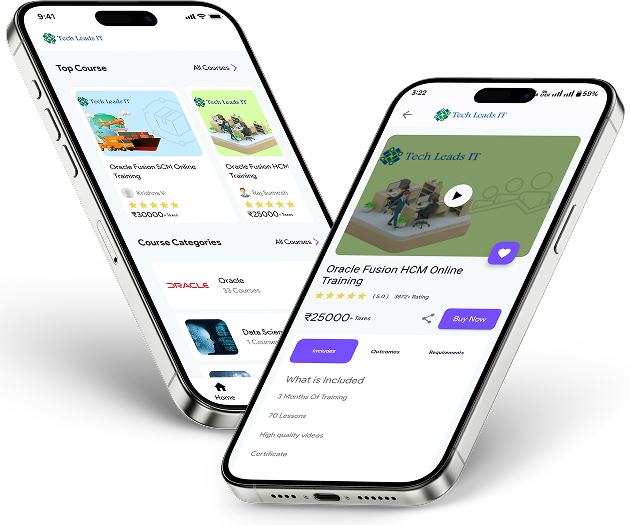
Mobile Learning
Learn on the Go Anytime!
Access course materials anytime with our seamless mobile app. Stay connected and learn on the go. Our user-friendly interface ensures effortless navigation and uninterrupted learning.
Download now!!



Unlock Your Learning Experience with an LMS Walkthrough
Access live classes, hands-on labs, quizzes, forums, and certifications—all in one place. Learn, practice, and grow with ease!
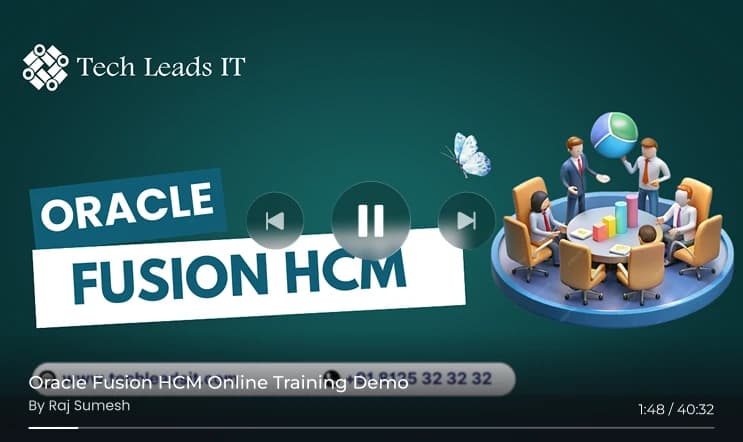

Live Class
Experience interactive, instructor-led sessions with real-time discussions and Q&A. Learn directly from industry experts and gain insights into Oracle with hands-on demonstrations.
Live Class recordings
Module 1
Lesson 1

Lesson 2
Module 2
Special Videos
Interview Questions
Your Resume Deserves an Upgrade Start Learning Today!
Upskilling yourself and keeping your resume updated significantly boosts your chances of landing a great job faster.


Our Process
Build a strong foundation, gain real hands-on experience, and enhance your professional skills to confidently transition from a learner to a high-demand ERP professional.
STEP 1
Build Strong Fundamentals

Master the fundamentals of the Oracle Fusion HCM course
Gain a clear understanding of key industry requirements
Develop essential problem-solving and analytical skills
STEP 2
Work on Hands-on Projects
Work on Real Hands-On Projects
Participate in real-world business use cases
Gain extensive knowledge of implementation methodologies
STEP 3
Resume & Profile Optimization
Create a fully ATS-friendly and professional resume
Build a strong LinkedIn profile and a compelling professional portfolio
Get expert resume reviews and personalized mock interview feedback
STEP 4
Industry Exposure & Capstone Project
Work on real-world case studies and sample projects
Understand industry expectations and best practices
Develop strong problem-solving and decision-making skills
STEP 5
Placement Readiness & Job Opportunities
Exclusive access to the Tech Leads IT job portal
Interview preparation with mock rounds
100% placement guarantee for merit students

Expert Career Guidance


Resume & Profile Building

Personalized Career Guidance

Industry-Specific Interview Prep

Mock Interviews & Feedback

Placement Assistance
Our Hiring Partners





















Build a High-Growth Career with Oracle Fusion HCM Training
Join the growing demand for Oracle Fusion HCM professionals. Gain practical training, certification guidance, and real-world exposure to build a successful career with leading organizations.

Companies Hiring Oracle Fusion HCM Professionals
From Fresh Graduates to Experienced Professionals - Your Dream Job Awaits!
Career Path Which You Can Explore
Average Fresher Salary
3-6 LPA
Highest Salary of Past Learners at Tech Leads IT
45 LPA
Results vary based on experience, role, and market conditions.Your next opportunity starts here — explore roles across startups and MNCs
















 Gartner

Oracle Fusion ERP has been named a Leader

2024 Gartner® Magic Quadrant for Cloud ERP for Service-Centric Enterprises,
2024 Gartner® Magic Quadrant for Cloud ERP for Product-Centric Enterprises,
2024 Gartner® Magic Quadrant™ for Financial Planning Software.
Estimated Oracle Fusion ERP Job Growth (2024-2030)
| Year | Estimated Job Openings | Growth Rate |
|---|---|---|
| 2024 | 11,000+ | Baseline |
| 2025 | 13,500+ | 22% |
| 2026 | 16,500+ | 22% |
| 2027 | 20,000+ | 21% |
| 2028 | 24,000+ | 20% |
| 2029 | 28,800+ | 20% |
| 2030 | 34,500+ | 20% |
 Naukri
Oracle Fusion ERP Job Trends & Opportunities
The Oracle Fusion ERP job market is booming! Discover the latest trends, industry demand, and how you can secure a top-paying role.

Oracle Fusion ERP Job Growth (2024-2030)
The demand for Oracle Fusion ERP professionals is experiencing significant growth, driven by the increasing adoption of cloud-based ERP solutions. Key trends influencing this growth include:
Annual growth rate of 20-22%, fueled by widespread implementation of Oracle Cloud ERP.
High demand in Financials, HCM, and SCM modules, with organizations prioritizing these areas.
Increasing opportunities in contract-based and remote roles, making Oracle ERP a flexible career choice.
Advancements in AI-driven ERP analytics, automation, and cloud transformations, further increasing the need for skilled professionals.
Turn Knowledge into Power — Master Oracle Fusion HCM Today
"Knowledge is the key to career growth—helping you achieve higher salary packages, leadership roles, global onsite opportunities, and faster professional advancement."

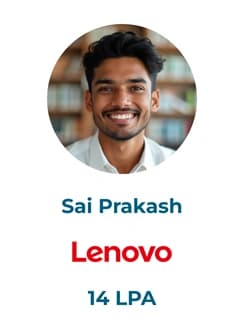
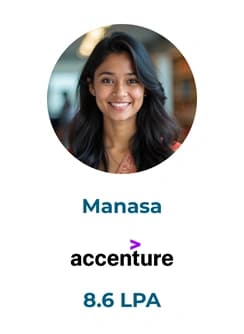
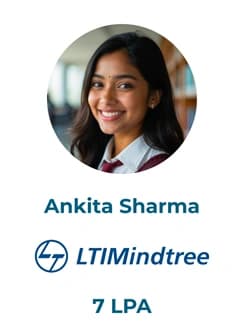
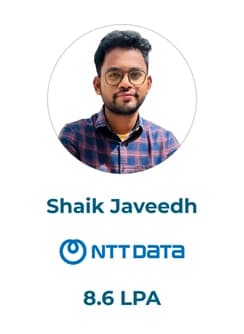
Success Stories of Our Proud Achievers

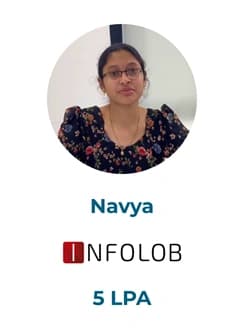
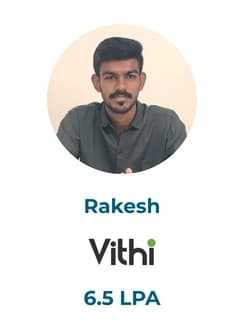
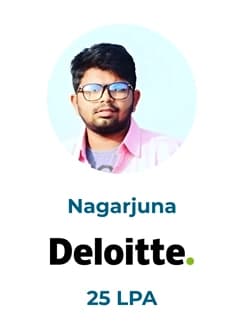
Certified Success
Earn Your Oracle Fusion HCM Course Completion Certificate
Receive an official course completion certificate that validates your practical knowledge of Oracle Fusion HCM.
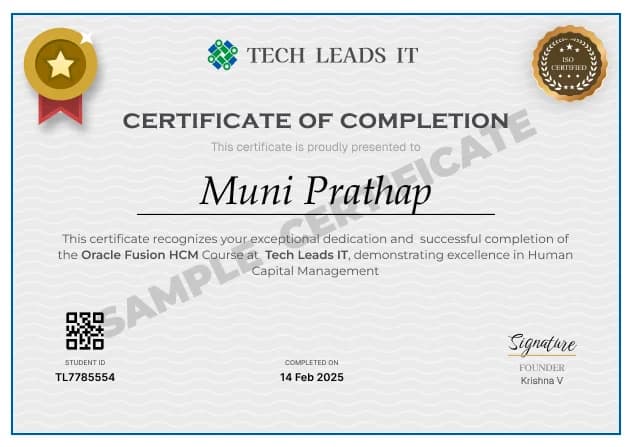

Course Completion Certification
Receive a recognized course completion certificate after successfully finishing the Oracle Fusion HCM training program.

Industry Recognition
Strengthen your resume with a certification that reflects real-world knowledge of Human Capital Management processes

Verifiable & Shareable
Get a digital certificate with a unique verification ID, making it easy to share your achievement on professional platforms like LinkedIn.

Career Advancement
Build practical knowledge and hands-on experience in Oracle Fusion HCM that supports long-term career progression.
Top Oracle Cloud HCM Certifications
Oracle Fusion Cloud Applications HCM Foundations Associate

Oracle Global Human Resources Cloud 2024 Implementation Professional
Oracle Absence Management Cloud 2024 Implementation Professional
Oracle Payroll Cloud 2024 Implementation Professional
Oracle Benefits Cloud 2024 Implementation Professional
Oracle Compensation Cloud 2024 Implementation Professional
Oracle Recruiting Cloud 2024 Implementation Professional
Oracle Talent Management Cloud 2024 Implementation Professional
What Industry Professionals Say About Our Training
“Trusted by Visionaries Who Drive Supply Chain Innovation.
See Why They Recommend Our Course for Professionals Worldwide.”

Deepak Bolia

Senior Manager
at Accenture
“Tech Leads IT has been instrumental in training our freshers and helping them develop the necessary skills to excel in their roles. Their structured training programs, experienced trainers, and hands-on approach have made a significant impact on our teams.”

Prashant Ghatage
Manager HR
at AAIS Global
“We often hire fresh graduates through off-campus drives, and Tech Leads IT has been our go-to training partner for transforming them into skilled professionals. Their well-structured curriculum, expert trainers, and flexible learning approach make a real difference.”

Vikram Simha
Delivery Manager
at YASH Technologies
“Continuous learning is key to staying ahead, and Tech Leads IT excels in upskilling and cross-skilling our workforce. Their flexible course structure, real-time project exposure, and high-quality content make them an ideal training partner for career progression.”
Explore Our Related Courses
Enhance your career prospects with specialized courses in high-demand fields. Gain practical knowledge and stay competitive in the industry.


Faq
Frequently Asked Questions
Oracle EBS is an on-premise system, whereas Oracle Fusion HCM is a cloud-based application offering a modern interface, better scalability, and regular updates.
Functional training focuses on business and HR processes and system configuration, while technical training covers integrations, data uploads, reporting, and system extensions.
The training includes Core HR, Workforce Structures, Enterprise Setup, Payroll concepts, Time and Labor, Absence Management, Talent Management, Goals, Compensation, Succession Planning, Oracle Recruiting Cloud (ORC), approvals, security, HDL, Fast Formulas, and real-time HR implementation scenarios.
The course is suitable for HR professionals, payroll and HR operations teams, HRIS professionals, MBA HR graduates, IT professionals moving into HCM consulting, and working professionals shifting to Oracle Fusion HCM roles.
Yes. The training is implementation-focused and covers real-time scenarios such as enterprise setup, workforce configuration, employee lifecycle management, approvals, security, and support ticket handling.
Yes. The course covers payroll inputs, element entries, costing basics, fast formulas overview, payroll processing flow, absence plans, eligibility rules, and related business scenarios.
You can apply for roles such as Oracle Fusion HCM Functional Consultant, Core HR Consultant, Payroll Functional Consultant, HCM Implementation Consultant, and Oracle HCM Application Support Consultant.
Yes. Learners receive access to a real-time Oracle Fusion HCM practice instance for hands-on configuration and implementation activities.
Yes. The course is beginner-friendly and explains concepts from basics to advanced implementation use cases, making it suitable for HR and non-IT learners.
Yes. This Oracle Fusion HCM training builds a strong functional foundation across Core HR, Workforce Structures, Payroll concepts, Absence Management, Talent Management, and real-time implementation scenarios. The course structure and hands-on practice help learners gain the knowledge required to confidently prepare for Oracle HCM Certification, along with the practical understanding needed for real project and support roles.
If your query isn't covered in the FAQ, feel free to reach out!
Explore Our Related Blogs
"Explore our latest blogs & articles for expert insights, industry trends, and tips to boost your skills and stay ahead in your career."
 TechLeads IT
What is Oracle Fusion SCM? A Complete Beginner's Guide to Supply Chain Management (2026)
Learn what Oracle Fusion SCM is, how it works, and why companies use it. A complete beginner's guide covering key modules, career paths, salaries, and how to get certified in 2026.
learn more
 TechleadsIT
Oracle Fusion SCM vs SAP SCM: Which is Better for Your Career in 2026?
Comparing Oracle Fusion SCM vs SAP SCM for career growth in India? See salary data, job market trends, and an expert take on which platform to learn first in 2026.
learn more Techleads IT
Oracle Fusion Inventory Management Setup: Step-by-Step Guide for Beginners
Learn oracle fusion inventory management setup from basics. Master inventory organizations, subinventories, items & transactions with Krishna's expert guidance.
learn moreGet Notified about Latest Blogs, Interview Questions & Job Alerts
Stay updated with Jobs, Interview Questions, New Features and Expert Talks
Get in Touch
Have questions or need assistance? Reach out to us via email or call our support team. We're here to help!"